
Back-to-School Reliability: The Checks That Keep a Family Car Honest
August 24, 2026
Engine Filters Explained: The Cheapest Parts That Protect the Most Expensive Ones
October 7, 2026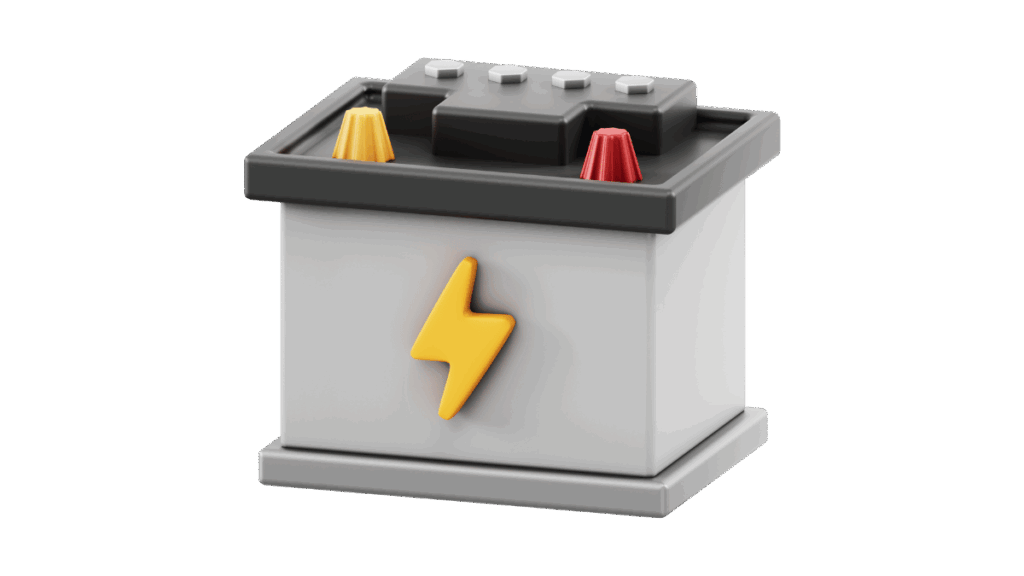
The first cold morning in Albuquerque arrives without much warning. One week the afternoons are still in the 80s, and the next week you walk out at 6:30 to frost on the windshield and an engine that turns over slowly, or not at all. The battery did not fail overnight. It was weakened by the summer heat and simply ran out of margin the first morning the temperature dropped. September is the month to catch that, along with two other fall surprises most drivers never see coming.
- Heat, not cold, does the real damage to a car battery, and the first cool morning is when you find out
- Wiper blades baked all summer will fail on the first rainy or frosty morning of the season
- Brakes that felt fine in August can reveal wear once heavier fall traffic and cooler pavement arrive
How Summer Heat Sets Up a Fall Failure
A car battery is a chemical device, and heat accelerates every reaction inside it. Sustained temperatures in the 90s evaporate electrolyte, warp internal plates, and speed up the corrosion that slowly reduces a battery’s capacity. A battery that goes through an Albuquerque summer loses a measurable share of its cranking power, but the engine starts easily in warm weather, so the loss stays hidden. Cold changes the math. At freezing, a battery delivers roughly a third less cranking power, and at the same time the engine oil thickens and demands more of it. A battery that was quietly at 60 percent in August cannot meet that demand on a 30 degree morning in late October.
Signs Your Battery Is on Borrowed Time
Most batteries give a few weeks of warning before they leave you stranded. Watch for these:
- A slow, labored crank when you start the car, especially first thing in the morning
- Headlights that dim at idle and brighten when you press the accelerator
- Dashboard warning lights or electronics that reset for no obvious reason
- White or blue-green crust on the terminals, which signals corrosion and a poor connection
- A battery more than three years old, which is the realistic lifespan in New Mexico heat
A load test takes a few minutes and tells you exactly how much capacity remains. It is the difference between replacing a battery on your schedule and replacing it in a parking lot with a tow truck on the way. We also check the charging system at the same time, since a failing alternator can kill a brand new battery in a matter of weeks.
Surprise Number Two: Wiper Blades
Wiper rubber does not wear out from use in Albuquerque. It wears out from sitting in the sun. A summer of ultraviolet exposure and 140 degree windshield temperatures leaves the rubber hard, cracked, and set in a curve that no longer matches the glass. Most drivers do not notice because it rarely rains between June and September in a dry year. Then the first fall storm hits on the way home in the dark, and the blades smear instead of clearing. Frost makes it worse, since a stiff blade skips across ice residue. Wiper blades are inexpensive and take minutes to replace. Do it before you need them, and top off the washer fluid while you are at it.
Surprise Number Three: Brakes
Brake wear rarely announces itself in summer. Warm pavement, light traffic, and lazy afternoon driving put modest demands on the system. Fall changes the routine. School traffic is fully back, Balloon Fiesta brings tens of thousands of visitors and stop-and-go congestion near the north end of town, and cooler mornings mean the first few stops of the day happen with cold rotors and pads. That is when a thin pad or a warped rotor finally makes itself known. Listen for squealing on the first stops of the morning, feel for pulsing through the pedal, and notice if the car pulls to one side when you brake. Pads caught early cost a fraction of what pads and rotors together cost once metal meets metal.
One Visit Covers All Three
The three items above share a common theme: each was damaged by summer and each will be revealed by the first cold snap. A fall inspection checks the battery under load, tests the charging system, inspects the brake pads and rotors, replaces wiper blades if needed, and looks over the belts, hoses, and tires while the vehicle is on the lift. It takes under an hour and turns October surprises into September decisions.
Schedule your fall inspection at Worldwide Automotive before the first frost arrives. We have kept Albuquerque vehicles starting on cold mornings since 1994, and we will give you a straight answer on what your car needs now and what can wait until spring.
Worldwide Automotive
3232 Girard Boulevard Northeast
Albuquerque, New Mexico 87107
(505) 881-2722