Engine Filters Explained: The Cheapest Parts That Protect the Most Expensive Ones
October 7, 2026
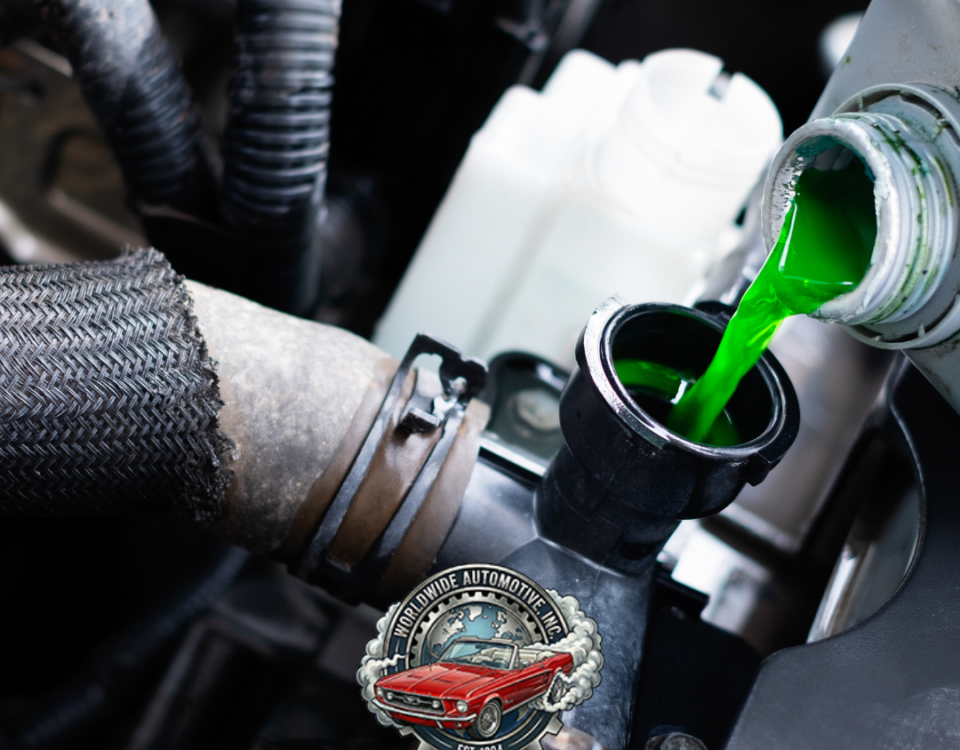
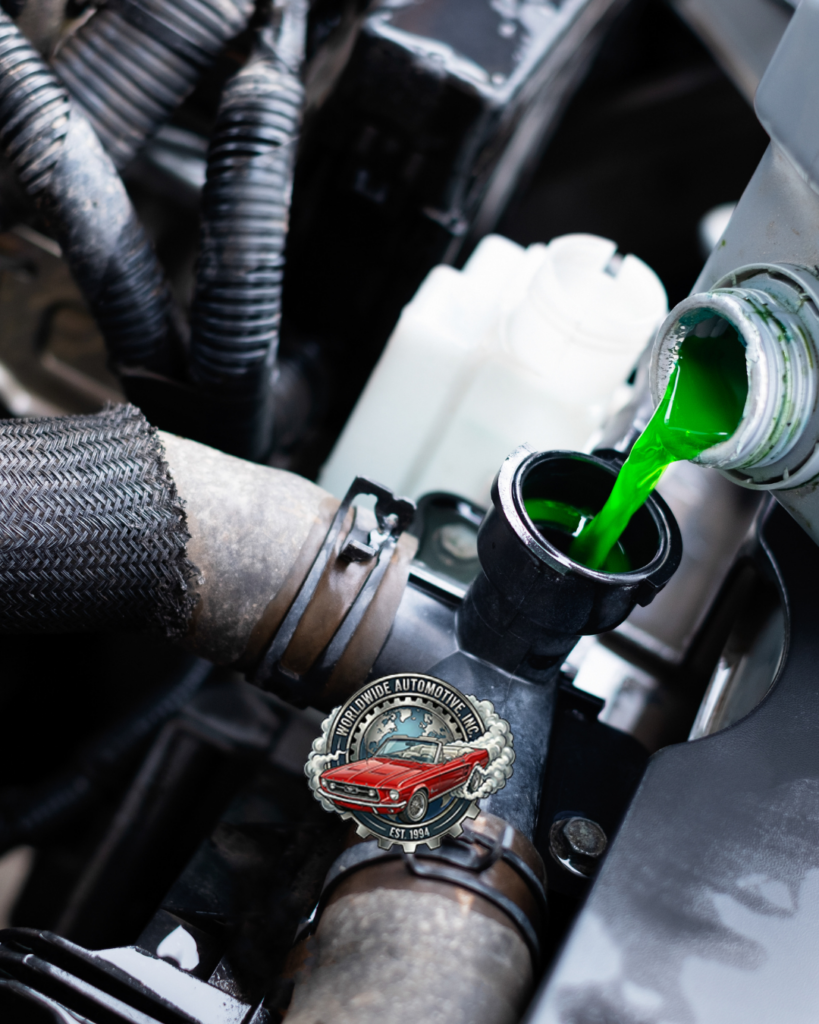
In August we wrote about radiator flushes and whether they are an upsell. The short version was: sometimes, and the only way to know is to test. Now the question comes back from the other direction. Albuquerque’s first hard freeze usually arrives in the last week of October or the first week of November, and every fall a few drivers find out that the coolant that carried them through the heat is not ready for the cold. Here is how to tell which group you are in.
- Coolant protects against freezing and boiling at the same time, and both abilities depend on the mix, not the color
- Summer top-offs with plain water quietly raise the freeze point, sometimes by twenty degrees or more
- A freeze point test takes two minutes and answers the question without guessing
What Winter Asks of Your Coolant
Coolant is a mixture of water and glycol. Pure water freezes at 32 degrees. A 50/50 mix will not freeze until roughly 34 degrees below zero, which is more margin than Albuquerque ever needs. The trouble is that the mix drifts. Every time a reservoir gets topped off with water in July, the glycol share drops and the freeze point climbs. A system that has been watered down to 70 percent water can freeze in the teens, and Albuquerque sees the teens most winters. When coolant freezes it expands, and the parts it expands inside are the radiator, the heater core, and in the worst case the engine block itself. A cracked block is a replace-the-engine conversation.
Cold also exposes the other job coolant does. The same corrosion inhibitors that protect the system in summer keep the heater core clear in winter. If the heater blows cool air on the first cold morning, old coolant is one of the usual suspects.
Why 5,300 Feet Matters in Both Directions
In August we explained that elevation lowers the boiling point, which is why Albuquerque cooling systems run closer to their limit in heat. The same thin air gives up heat faster at night. Clear, dry fall nights here drop twenty-five to thirty-five degrees from the afternoon high, which is why a 60-degree day can end with frost on the windshield. The temperature your coolant has to survive is the overnight low in your driveway, not the afternoon number on the bank sign.
The Test Is the Answer
A freeze point test uses a refractometer or a hydrometer to read the actual glycol concentration in your system. It tells us the temperature your coolant will protect to, in degrees, in about two minutes. A test strip adds the acidity reading that shows whether the corrosion inhibitors are still working. Those two readings, plus your mileage and your manufacturer’s interval, give a straight answer:
- Freeze protection to 30 below and inhibitors healthy: leave it alone, see you in the spring
- Freeze protection weak but the fluid is otherwise fine: adjust the mix, no flush needed
- Freeze protection weak and the fluid acidic, discolored, or past its interval: a cooling system service is the right call
Notice that two of the three outcomes do not involve a flush. A shop that recommends a coolant change without showing you a freeze point reading is working from the calendar, not from your car.
Classics Need the Same Test, Plus One More Look
Older engines with cast iron blocks and copper radiators are less forgiving of acidic coolant and more vulnerable to a freeze. If your classic sits for weeks at a time in a garage that is not heated, the coolant still has to protect it on the coldest night of the year. We test it the same way, and we also check that the freeze plugs in the block are not weeping, since those are the first things a freeze pushes out.
What to Do This Week
Pull into any shop you trust and ask for a freeze point reading. If the number is better than 30 below and the fluid tests clean, you are done. If not, the fix is usually small when it is done before the cold snap and expensive after it. Bring your vehicle to Worldwide Automotive and we will test before we recommend, and we will tell you when your coolant is fine. We have given Albuquerque drivers straight answers since 1994, and we stand behind our work with the NAPA Peace of Mind Warranty.
Worldwide Automotive
3232 Girard Boulevard Northeast
Albuquerque, New Mexico 87107
(505) 881-2722